Scenery
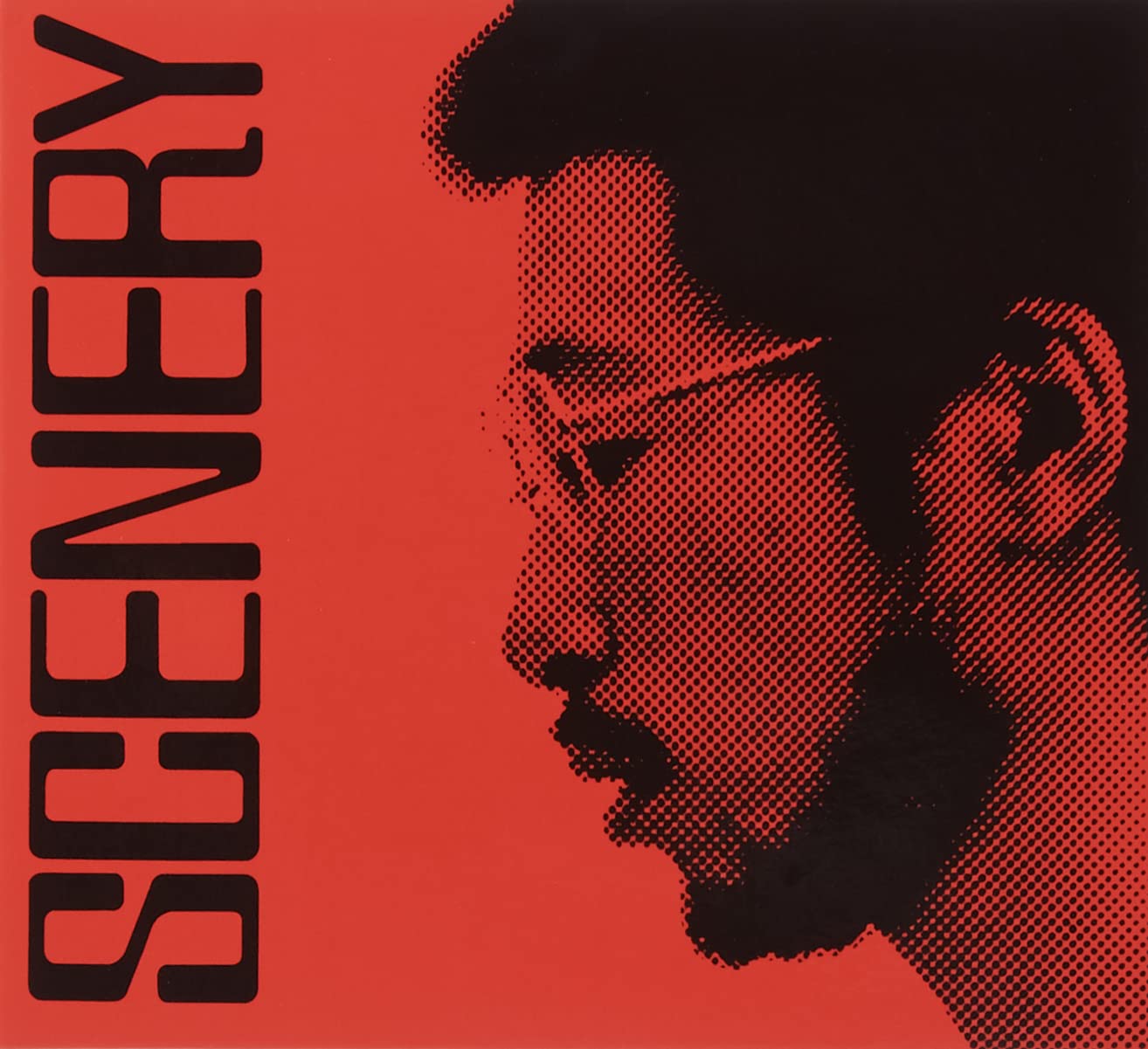
#5 – Scenery by Ryo Fukui
Version 1.0.0
Thanks to Brett Hagan for this one. I met Brett when I was down in Moose Jaw through a mutual footy friend, Hugh Fraser. We’ve been online pals since and like me, he’s a vinyl head. He also has a very diverse taste in music that I appreciated because every now and again he’ll post an album that he’s listening to and I’ll check it out.
One of the two album recommendations Brett made is the first album released by self-taught Japanese jazz pianist, Ryo Fukui. Now, I would have said that this was going to be way outside my wheelhouse, but when I spun it up, I found that my ear found the flow of it really quickly. I’m an avid fan of Canadian-German piano genius Michael Kaeshammer, who blends jazz, blues, and massive dollops of boogie woogie/stride piano into his music. I’ve seen him play live four times and have been listening to him for the better part of twenty five years now thanks to my old pal Geoff Chomos, who introduced me to his work when we started hanging out in the early days of my post-secondary education. Kaeshammer tends more to the commercial side of Jazz I’d say – more in the Harry Connick Jr area – but also tears it up when he rocks the boogie and rolls the woogie. So there’s a definitely difference between what I heard on this album and what I was used to but, a three piece, piano, bass, and drums, is very familiar.
I’d never heard of this album or artist before and I’m going to guess that the massive majority of you haven’t either. From Wikipedia; “Fukui began his life in music by learning the accordion at age 18. At the age of 22, he began to teach himself piano and soon moved to Tokyo. This album (released in 1976) was virtually ignored in the United States, given that it was released at a time of reduced American interest in jazz. In the decades since Scenery’s release, the album has earned greater critical praise, especially for track “Early Summer”. Fukui’s dexterity and self-taught style has earned him comparison to such piano greats as McCoy Tyner and Bill Evans.”
I didn’t read anything about the man or the album before listening, as I do like to go in with no preconceptions. Learning that this album came out only six years after this guy started learning piano is almost unbelievable. It goes to show that as much as the ten thousand hours rule is true, it’s also undeniable that genetic predisposition and natural talent are also hugely important in reaching the sort of heights that Fukui reaches on this record. His playing is gorgeously fluid and sounds completely spontaneous, though of course it isn’t. It never feels rigid or clinical but is also immaculate. He rarely “shreds” which makes it all the most impactful when he does – and boy does he in a few spots. The times he does unleash a little bit of show-off sparkle, it’s always as a fitting adornment to a phrase or a movement within the piece and never virtuosic for the sake of it. He plays with a full dynamic range an obvious and natural sense of rhythm so essential to this style. It would be hard to single out specific individual sections in songs because it’s one of those albums that works best as a whole piece I would guess. You don’t come away humming a chorus or a have big moments that stick in your brain perhaps, but the whole thing has a languid, deceptively complex flavour to it that rewards patience and certainly multiple listens. I definitely didn’t fall in love with it on the first listen, but by the third, I knew I’d end up being a fan of this guy.
There’s something about the way these types of albums are recorded that appeals to me too. The songs feel like they’re being performed live though I’m sure there would have been punch-ins and overdubs. The sound is so crisp and alive and you can hear every single note that every instrument is playing as clearly as if they were playing five feet away from you. The snare especially sounds absolutely fantastic.
I’m definitely going to be listening to some of this guy’s subsequent work. I believe he became really interested in bebop, so it’ll be cool to see whether he goes into that full-bore or incorporates into what he’s already doing. I can definitely see myself picking this one up on vinyl because it’s one of those that has become more enjoyable each time I’ve listened to it!
Favourite song on the album? Willow Weep for Me (written by Ann Ronell) with I Want to Talk About You (written Billy Eckstine) a close second. I did find the extended drum solo in Early Summer a little distracting even though it was expertly performed. It’s the one passage on the album that felt a little “hmmm, what should we do here?”
Thanks for this one Brett! Next up is In the Court of the Crimson King as suggested by podcaster extraordinaire and pal of mine, Scott Haskin!
Recent Comments